Introduction: If you own a restaurant or manage a commercial kitchen in Los Angeles, fire safety is crucial. It’s not just about preventing accidents; it’s about keeping your business running smoothly. One of the most important terms to understand is UL-300.
Many older kitchens in California still operate with outdated fire suppression systems. These systems no longer meet current safety standards. This situation puts your staff and property at risk. It also creates significant liabilities with your insurance company and the Fire Marshal.
In this guide, SOS Fire Services breaks down what UL-300 means, why it is mandatory in California, and how to ensure your kitchen is fully compliant with NFPA 96 and local LAFD regulations.
What is UL-300 and Why Does It Matter?
UL-300 is the safety standard for fire testing of fire extinguishing systems designed to protect commercial cooking equipment. This standard was introduced to address the changes in modern commercial cooking.
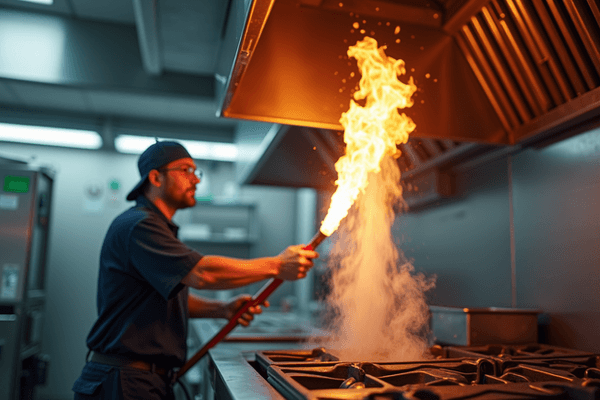
In the past, restaurants often used animal fats (like lard) for frying. Old "Dry Chemical" systems were sufficient to extinguish those fires. However, modern commercial kitchens now use vegetable oils. These oils burn at much higher temperatures and retain heat longer.
Old suppression systems may initially knock down the flames, but they fail to cool the oil. This can lead to re-ignition. A UL-300 compliant system uses Wet Chemical agents specifically designed to combat these hotter, more dangerous fires.
The Importance of Fire Safety in Your Kitchen
Fire safety is not just a regulatory requirement; it's essential for protecting lives and property. A fire in your kitchen can lead to devastating consequences. It can cause injuries, loss of life, and significant financial losses.
By ensuring your kitchen is equipped with a UL-300 compliant system, you are taking proactive steps to safeguard your establishment. This not only protects your employees but also your customers and your business reputation.
Is UL-300 Mandatory in California?
Yes. In California, compliance is governed by the California Fire Code and Title 19. These regulations adopt the standards set by NFPA 96 (Standard for Ventilation Control and Fire Protection of Commercial Cooking Operations).
Under these regulations, all commercial cooking operations that produce grease-laden vapors must have a UL-300 compliant fire suppression system.
The Insurance Risk
Even if you haven't been inspected recently, your insurance policy likely contains a clause requiring your systems to be up to code (UL-300 compliant).
Warning: If a fire occurs and your suppression system is found to be non-compliant, your insurance carrier may deny your claim. This could leave you responsible for 100% of the damages.
Consequences of Non-Compliance
Failing to comply with UL-300 can have serious consequences. Not only can it lead to insurance issues, but it can also result in fines from regulatory bodies. Moreover, if a fire occurs, the damage to your property and reputation can be irreparable.
Dry Chemical vs. Wet Chemical: What’s the Difference?
To understand why the upgrade is necessary, you need to grasp the chemistry involved.
- Old Systems (Dry Chemical): These systems spray a powder that smothers the fire. While effective on low-temp fires, the powder does not cool the oil. In modern fryers, the heat remains, and the fire simply reignites once the powder settles.
- UL-300 Systems (Wet Chemical - Class K): These systems discharge a liquid agent. When this agent hits the burning oil, a chemical reaction called Saponification occurs. The agent turns the burning grease into a soapy foam layer that seals the surface and, crucially, cools the oil down to prevent re-flash.
Why Upgrading Matters
Upgrading to a UL-300 compliant system is not just about meeting regulations. It’s about ensuring that your kitchen can handle the unique challenges posed by modern cooking methods. The right system can significantly reduce the risk of fire, protecting your business and everyone in it.
How to Tell if Your System is Non-Compliant
Not sure if your system meets the UL-300 standard? Here are a few signs that you might be at risk:
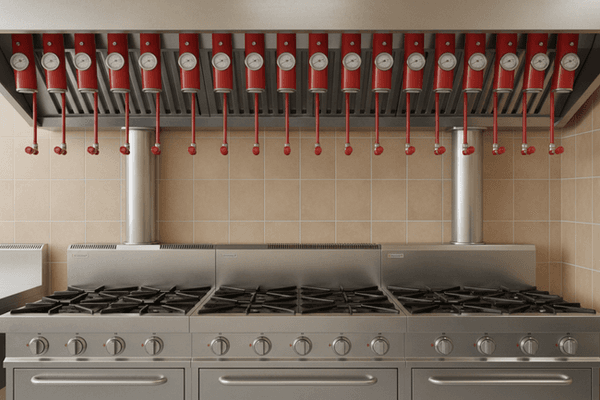
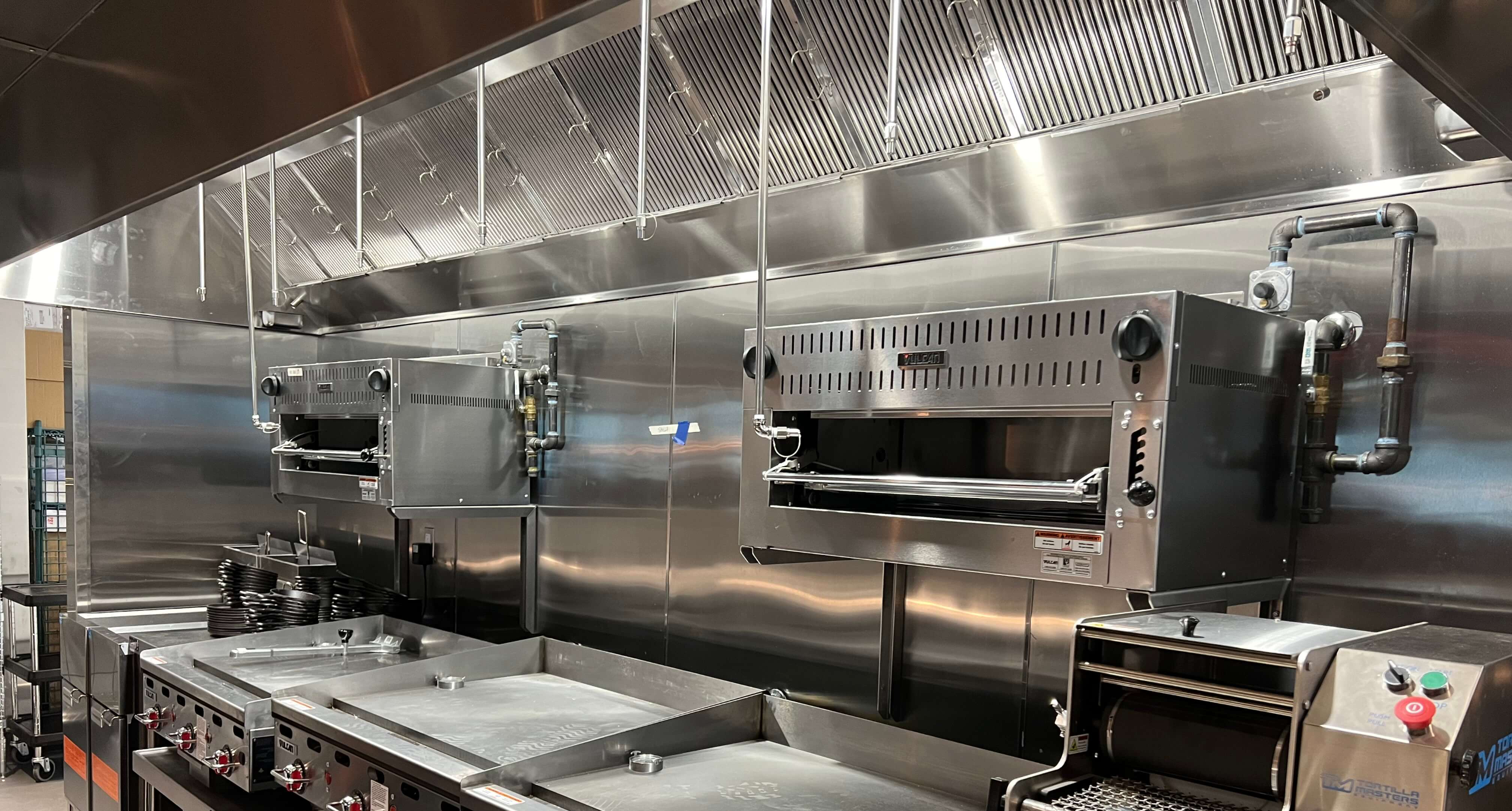
- The Nozzle Check: Look at the discharge nozzles over your fryers. If they are wide and have a metal cap, they might be old dry chemical nozzles. UL-300 nozzles are typically narrower and specific to the appliance.
- The Tank Label: Check the main cylinder. It should explicitly state "UL-300".
- Dry Chemical: If your service tag says "Dry Chem," you are likely non-compliant.
- Changed Equipment: Did you replace a wok with a deep fryer? If you changed your cooking line without updating the fire system nozzles, you are in violation of NFPA 96.
Importance of Regular Inspections
Regular inspections are essential to ensure compliance. They help identify any potential issues before they become serious problems. By staying proactive, you can avoid costly fines and ensure the safety of your kitchen.
Maintenance Requirements: Keeping Your System Legal
Installing the system is just step one. To keep the Fire Marshal (and your insurance agent) happy, you must adhere to a strict maintenance schedule.
Semi-Annual Inspections
Per California Title 19 and NFPA 96, your automatic fire suppression system must be inspected, tested, and maintained every 6 months by a licensed fire protection contractor.
The 12-Year Hydrostatic Test
Every 12 years, the chemical agent in the tank must be replaced. The cylinder must also undergo hydrostatic testing to ensure it can hold pressure safely.
Record Keeping
Maintaining accurate records of inspections and maintenance is crucial. These documents can serve as proof of compliance and can be invaluable during insurance claims or inspections.
Why Choose SOS Fire Services?
At SOS Fire Services, we specialize in protecting Los Angeles restaurants, food trucks, and industrial kitchens. We don't just inspect; we provide solutions.
- Authorized & Certified: Our technicians are factory-trained for major brands like Ansul, Amerex, Buckeye, and Pyro-Chem.
- Code Compliance: We guarantee your system meets NFPA 96, Title 19, and local LAFD requirements.
- Insurance Documentation: We provide detailed reports after every inspection to help you keep your premiums low and your coverage valid.
- 24/7 Emergency Response: Did your system discharge accidentally? We offer emergency recharging to get your kitchen back up and running immediately.
Don't wait for a Red Tag or an insurance denial. Protect your kitchen and your business today.
Topics
- NFPA 96 Compliance
- UL-300 Fire Standards
- Fire Suppression Upgrades
- Modern Kitchen Fire Safety
- Wet Chemical Systems