As a restaurant owner or property manager in Los Angeles, you have a million things on your plate. However, a "Notice of Violation" from the Fire Marshal shouldn't be one of them.
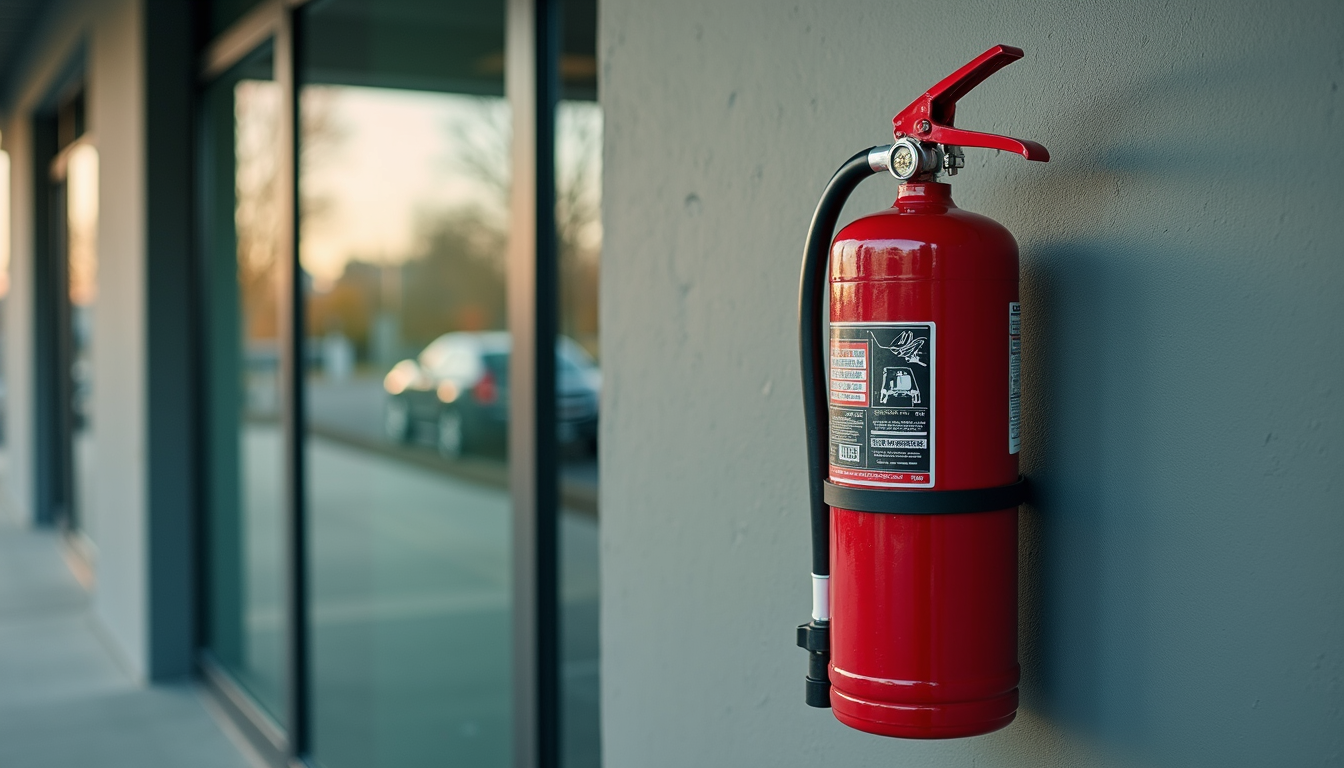
Portable fire extinguishers are your first line of defense against a small flare-up becoming a total loss. But a fire extinguisher is only as good as its last service. Here is everything you need to know about staying compliant and keeping your facility safe.
1. The Three Levels of Service
In California, fire extinguisher maintenance isn't just a suggestion it's governed by Title 19 regulations. There are three key milestones for every canister:
Monthly Visual Inspections
This is a quick "health check" you or your staff can do.
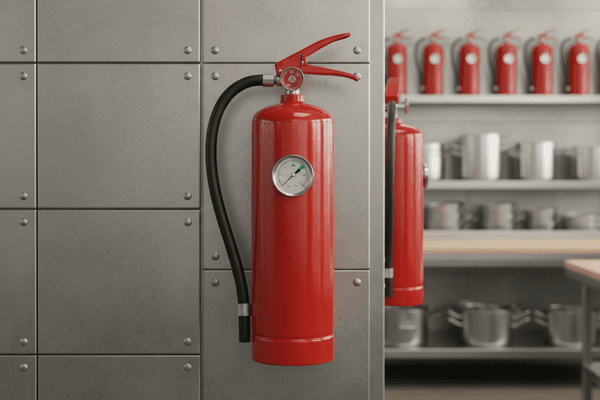
- Pressure Gauge: Is the needle in the green?
- Accessibility: Is it blocked by boxes or equipment?
- Physical State: Is the pin missing? Is the nozzle clogged?
Annual Professional Maintenance
Once a year, a certified technician from S.O.S fire Services must perform a teardown and inspection. We check the internal mechanics, weigh the unit, and most importantly provide the Title 19 Service Tag that the Fire Marshal looks for.
6-Year Maintenance & Hydrostatic Testing
Every 6 years, the extinguisher must be emptied and recharged. Every 12 years (for most units), we perform a Hydrostatic Test to ensure the metal cylinder can still handle the high pressure without bursting.
2. Common Violations (And How to Avoid Them)
During our mobile on-site assessments, we see the same mistakes over and over. Avoiding these will save you from "Failed Inspection" headaches:
- The "Hidden" Extinguisher: Extinguishers tucked behind trash cans or inside cabinets without proper signage.
- Expired Tags: A tag from 2023 or 2024 is an automatic violation in 2026.
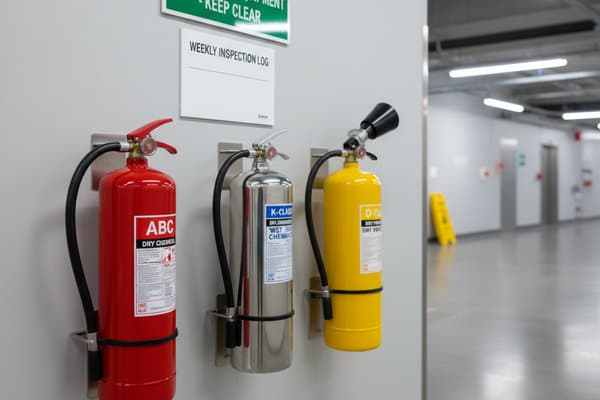
- Incorrect Type: Using a standard ABC extinguisher in a kitchen instead of a Class K (which is specifically designed for grease fires).
3. Why Professional Service Matters
It might be tempting to buy a cheap extinguisher from a big-box store and forget about it. But for commercial properties, professional service offers:
- Database Integration: We sync your service records directly with California compliance databases, so your "Permit-to-Cert" turnaround is lightning-fast.
- Liability Protection: If a fire occurs and your equipment fails, having a record of professional maintenance is vital for insurance claims.
- Cost Efficiency: Regular maintenance is significantly cheaper than replacing an entire fleet of extinguishers because they were neglected.
4. From Violation to Verified
Received a notice from the city? Don’t panic. Our team specializes in Title 19 fixes. We come to your location, assess the damage, recommend the most efficient retrofits, and get you back in the Fire Marshal’s good graces immediately.
How do you inspect a fire extinguisher?
Inspecting a fire extinguisher yourself is straightforward but requires attention to detail. Here’s a simple step-by-step guide you can follow:
- Locate the extinguisher: Make sure it’s in its designated spot and not blocked.
- Check the pressure gauge: The needle should be in the green zone. If it’s low or high, the extinguisher needs servicing.
- Examine the physical condition: Look for dents, rust, or any visible damage.
- Inspect the nozzle and hose: Ensure they are free from cracks or obstructions.
- Verify the tamper seal and pull pin: Both should be intact and secure.
- Read the label: Confirm the instructions are clear and the extinguisher is suitable for the types of fires likely in your facility.
- Weigh the extinguisher: If you have the original weight, compare it to the current weight to detect leaks.
- Record the inspection: Note the date and any observations in your fire safety log.
If you find any issues during your inspection, contact a professional immediately. Don’t attempt to fix or refill the extinguisher yourself unless you’re trained.
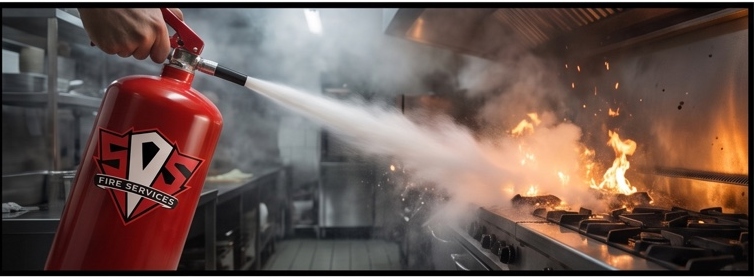
Signs Your Fire Extinguisher Needs Immediate Attention
Don’t wait for your scheduled maintenance if you notice any of these signs:
- Pressure gauge is in the red zone or missing
- Visible dents, rust, or corrosion on the cylinder
- Broken or missing safety pin or tamper seal
- Nozzle or hose is cracked, clogged, or damaged
- Extinguisher has been used, even partially
- Expiration date has passed
If you spot any of these, contact a professional fire extinguisher maintenance company immediately. They will inspect, repair, or replace the unit as needed.
Ready to stay compliant?
Don’t wait for the next inspection. Download our One-Page Compliance Checklist to see where your facility stands today.
Topics
- Compliance for Businesses
- Fire Code Updates
- Inspection Best Practices
- Fire Safety Essentials
- Fire Inspection Tips