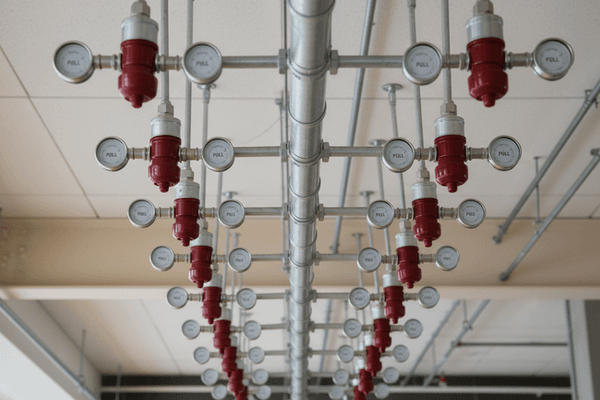
When it comes to protecting your property, fire suppression systems are your first line of defense. But how much should you expect to pay for keeping these systems in top shape? Understanding fire suppression inspection pricing is crucial for budgeting and ensuring your building stays compliant with safety regulations. Let’s break down the costs, what inspections involve, and how you can get the best value for your investment.
Understanding Fire Suppression Inspection Pricing
Fire suppression inspection pricing varies depending on several factors. You might wonder why some quotes seem higher than others. The truth is, the price depends on the type of system, the size of your property, and the complexity of the inspection.
Here’s what typically influences the cost:
Type of fire suppression system: Wet pipe, dry pipe, pre-action, or clean agent systems all have different inspection requirements.
Size of the property: Larger buildings with more sprinklers or suppression devices require more time and effort.
Frequency of inspections: Some systems need quarterly checks, others annual.
Additional services: Repairs or replacements during inspection can add to the cost.
For example, a small cafe with a basic single-hood wet chemical system might pay less than a large commercial kitchen with a complex multi-hood setup and dual gas shutoff lines. Knowing these system details helps you anticipate maintenance expenses and avoid surprises.
What Does a Fire Suppression Inspection Consist Of?
Knowing what happens during an inspection can help you understand the value behind the price. A thorough fire suppression inspection covers several key areas:
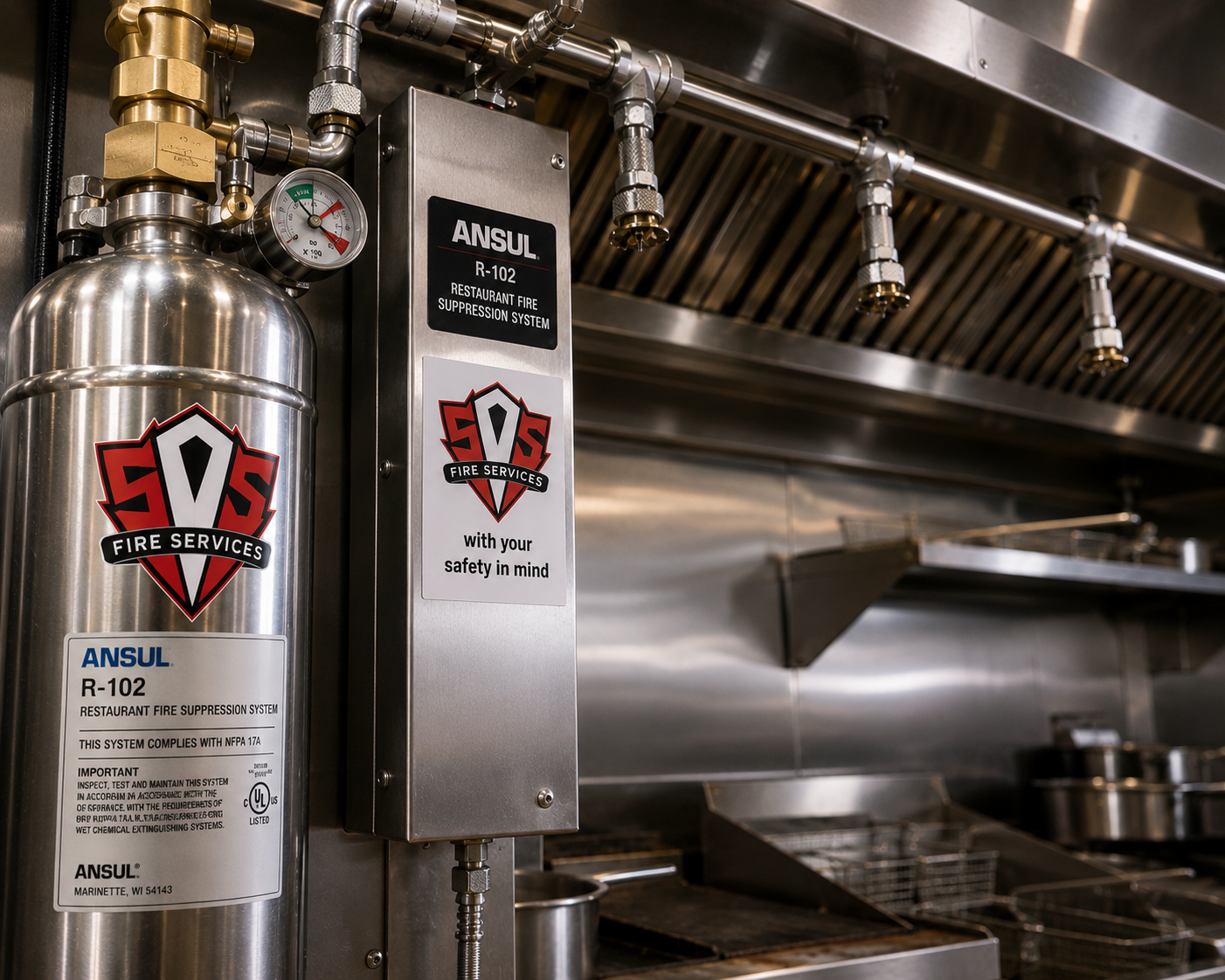
Visual Inspection: Checking for physical damage, nozzle blockages, grease buildup, missing rubber blow-off caps, and proper cylinder pressure.
Operational Testing: Testing mechanical actuation, manual pull stations, fusible links, and automatic gas valve or electrical shutoffs.
Link & Line Maintenance: Replacing heat-sensitive fusible links along the detection line and verifying proper cable tension per manufacturer specifications.
Agent Level & Cylinder Check: Confirming the wet chemical agent cylinder is fully charged, properly pressurized, and within its mandatory service cycle.
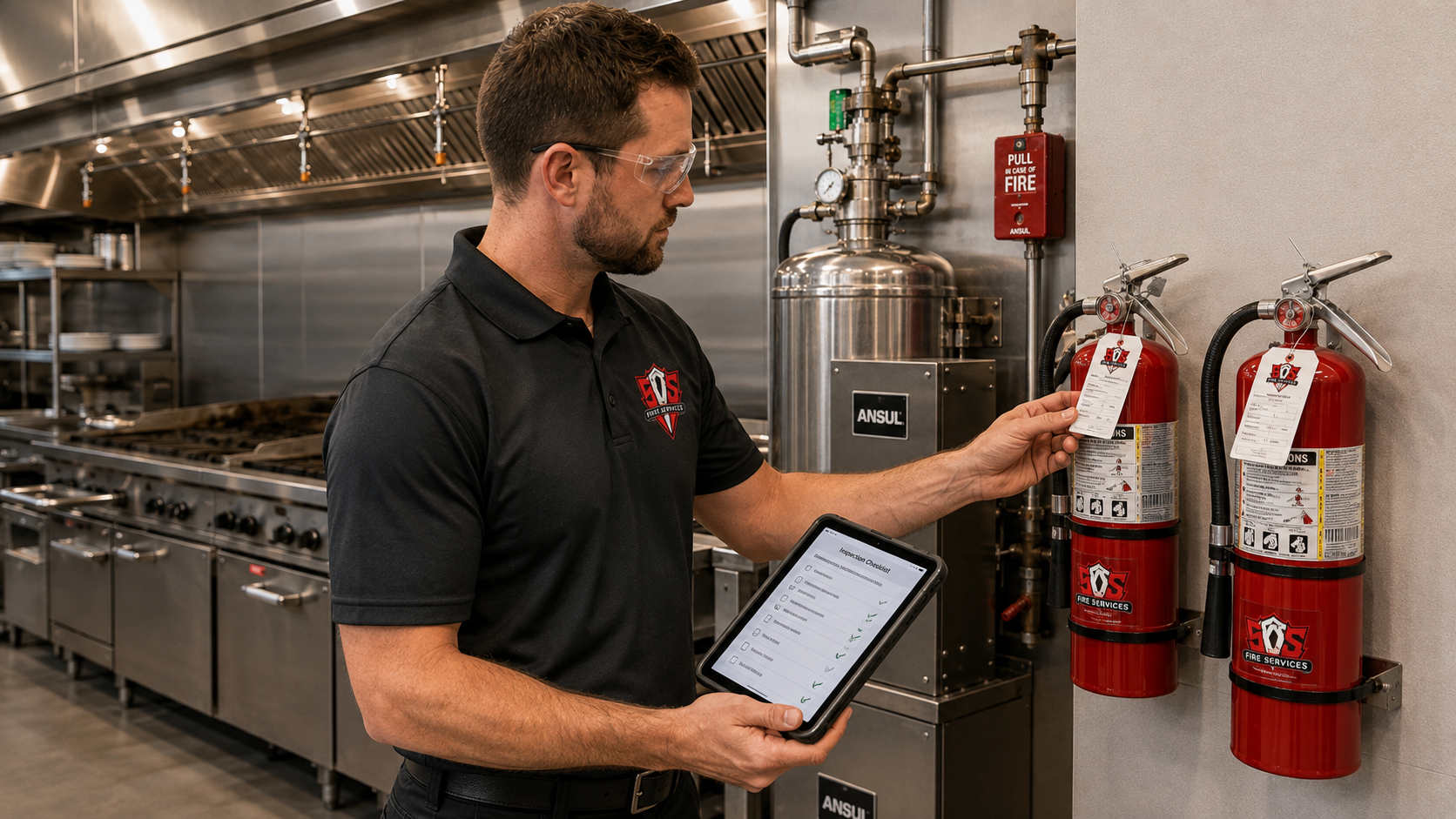
Documentation & Compliance Review: Updating inspection tags on the cylinder, recording service details, and providing documentation for fire department and insurance compliance.
Inspectors follow strict guidelines to ensure your system will perform when needed. They also identify potential issues before they become costly problems.
Factors That Affect Commercial Kitchen Suppression System Inspection Costs
Several key factors determine the overall cost of your semi-annual hood system inspection. Here’s what to keep in mind:
Number of Hoods & Cylinders: A small kitchen with a single-hood setup requires less labor and fewer components than a large facility with multi-hood systems and multiple wet chemical cylinders.
Nozzle Count & Appliance Layout: More cooking appliances (fryers, ranges, charbroilers) mean more discharge nozzles, conduit lines, and fusible links that must be individually checked and serviced.
Required Component Replacements: Routine inspection costs can vary based on whether fusible links need their mandatory semi-annual replacement or if wet chemical tanks are due for 6-year maintenance or 12-year hydrostatic testing.
System Accessibility & Kitchen Hours: Hard-to-reach ductwork, high ceilings, or requiring off-hours servicing (such as early morning before kitchen prep begins) can impact labor time.
Local Fire Department Regulations: Strict compliance with local Southern California fire codes (and NFPA 96 standards) may require extra testing steps, such as verifying automatic electrical shunts or mechanical gas shutoff valves.
For instance, if your building has a sprinkler system suppression system, expect a different pricing structure than a standard kitchen hood . Also, if your property is in a high-risk area, inspections might be more detailed.
How to Budget for Fire Suppression System Inspection Costs
Budgeting for inspections doesn’t have to be stressful. Here are some tips to help you plan:
Get multiple quotes: Compare prices from certified inspection companies.
Schedule regular inspections: Prevent costly emergency repairs by staying on top of maintenance.
Bundle services: Some providers offer discounts if you combine inspection with installation or repair.
Understand your system: Know what type of suppression system you have and its specific needs.
Plan for repairs: Set aside funds for unexpected fixes discovered during inspections.
Remember, investing in regular inspections saves money in the long run by avoiding system failures and fines for non-compliance.
Why Regular Fire Suppression Inspections Are Worth It
You might ask, “Is it really necessary to spend on inspections every year?” The answer is a confident yes. Regular inspections ensure your system works when it matters most. They also help you:
Stay compliant with local fire safety laws.
Protect lives and property by reducing fire risks.
Avoid costly repairs through early detection.
Maintain insurance coverage which often requires proof of inspections.
Ignoring inspections can lead to system failure during a fire emergency, putting your building and occupants at risk. Plus, non-compliance can result in hefty fines or even closure.
By understanding the fire suppression system inspection cost, you can make informed decisions and keep your property safe without breaking the bank.
Taking the Next Step for Your Property’s Fire Safety
Now that you know what influences fire suppression inspection pricing and what inspections involve, it’s time to act. Schedule your inspection with a trusted professional who understands local regulations and your system’s unique needs. Regular maintenance is not just a legal requirement—it’s peace of mind.
Stay proactive. Protect your investment. And keep your property safe with reliable fire suppression inspections.