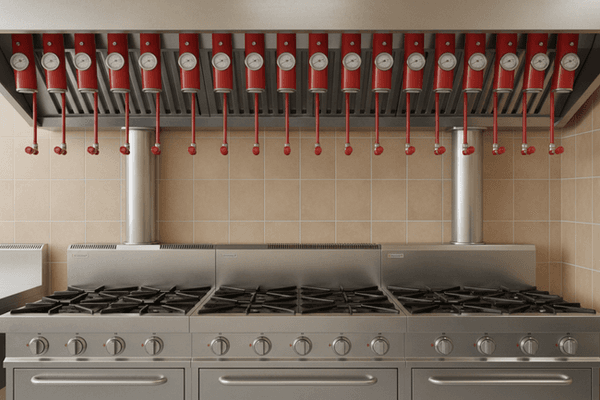
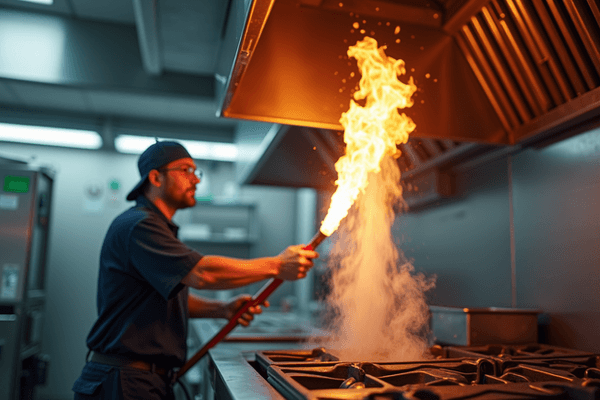
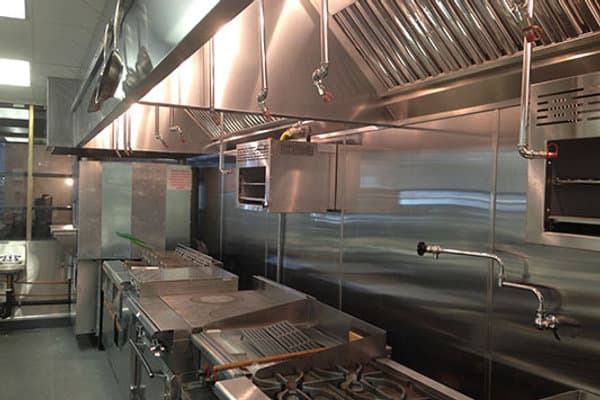
When it comes to protecting your property, fire safety is non-negotiable. You need a clear, practical plan to keep your building and everyone inside safe. That’s where a well-crafted fire safety inspection checklist comes in. It’s your go-to tool for identifying risks, ensuring compliance, and maintaining peace of mind. Let’s dive into how you can create an effective checklist that works for your property.
Why Fire Safety Guidelines Matter for Your Property
Fire safety guidelines are more than just rules on paper. They are the backbone of a safe environment. Following these guidelines helps you:
Prevent fires before they start
Minimize damage if a fire occurs
Protect lives and property
Stay compliant with local regulations
For commercial buildings and properties in Los Angeles, strict adherence to fire safety guidelines is crucial. The city enforces rigorous standards, and inspections are frequent. Ignoring these can lead to hefty fines or worse, tragic accidents.
By understanding and applying these guidelines, you’re not just ticking boxes—you’re creating a safer space for everyone.
Building Your Fire Safety Inspection Checklist: What to Include
Creating a fire safety inspection checklist means covering all the critical areas that could pose fire risks. Here’s a breakdown of what your checklist should include:
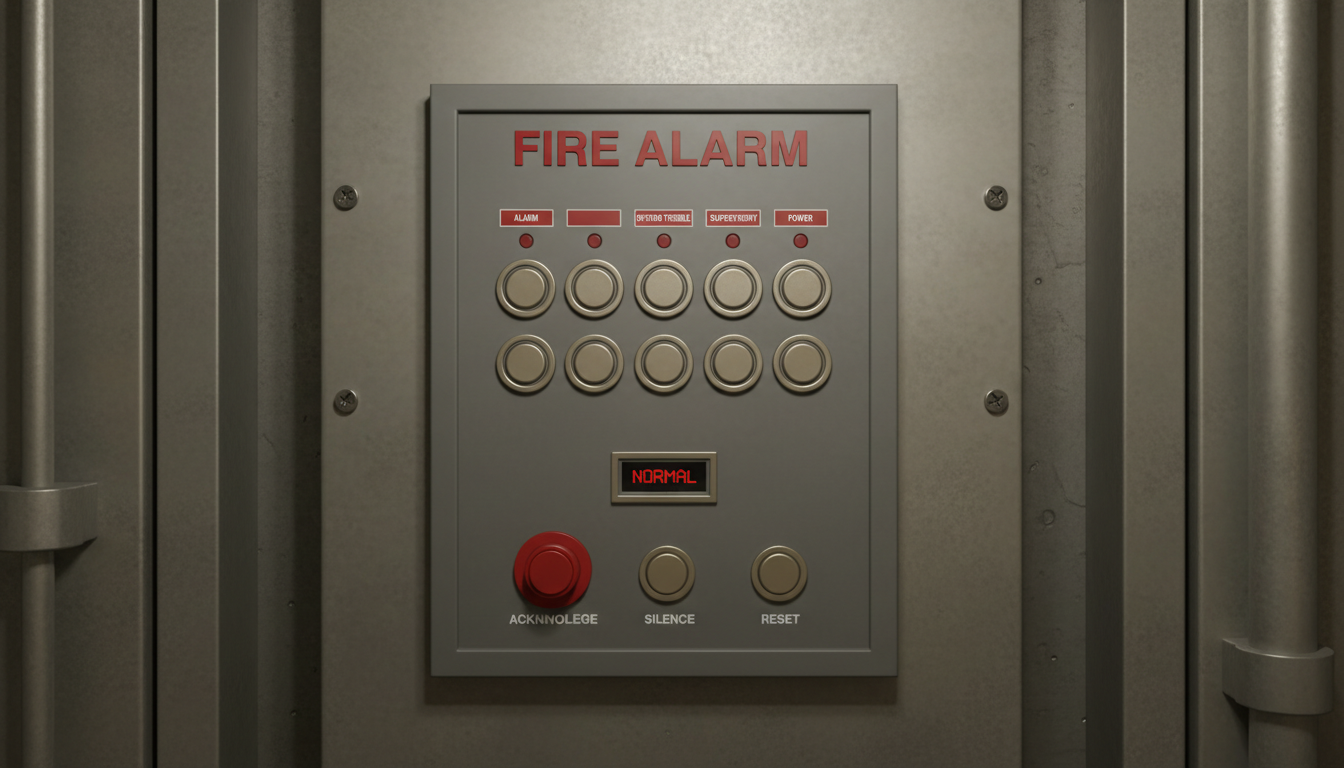
1. Fire Detection and Alarm Systems
Check smoke detectors and fire alarms for proper operation.
Ensure batteries are fresh and devices are tested regularly.
Verify that alarms are loud and clear throughout the building.
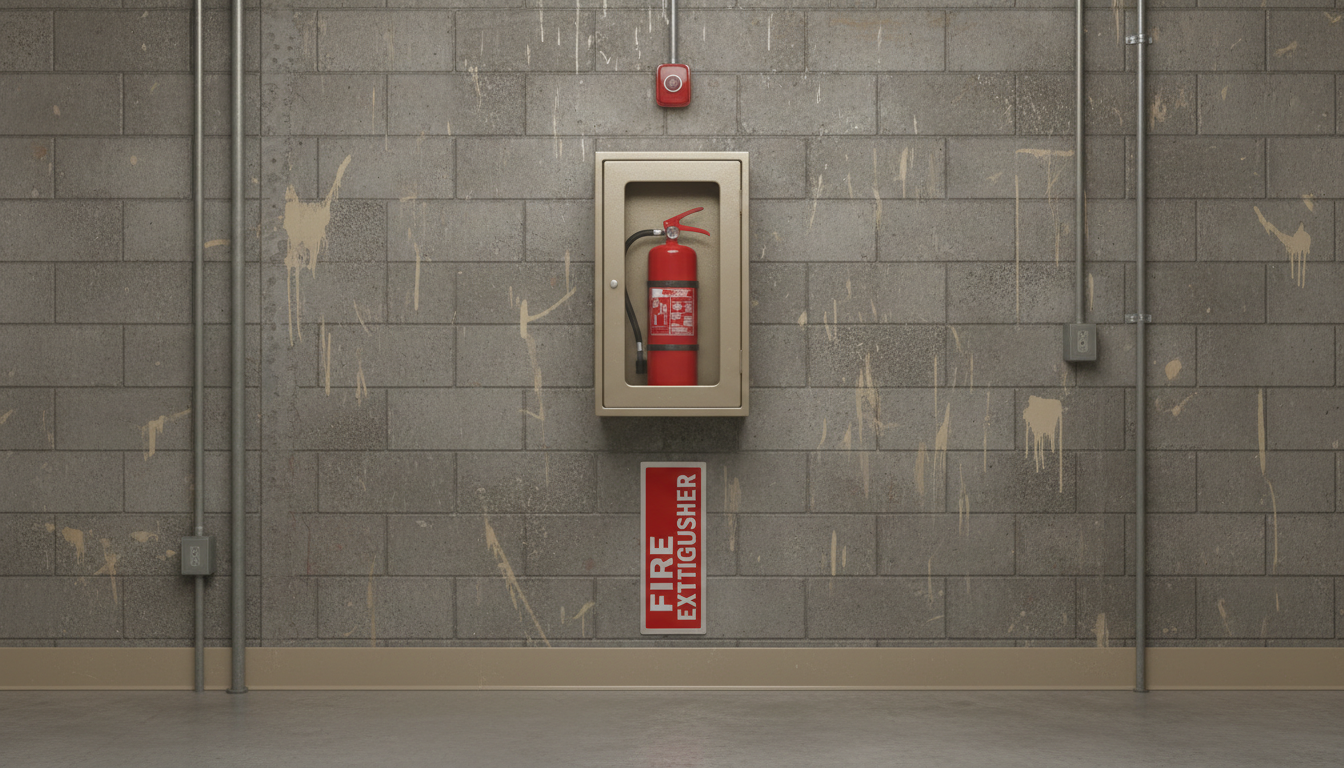
2. Fire Extinguishers and Suppression Equipment
Confirm extinguishers are accessible and fully charged.
Inspect for any physical damage or corrosion.
Check expiration dates and service tags.
3. Emergency Exits and Evacuation Routes
Ensure all exit doors open easily and are not blocked.
Verify that exit signs are illuminated and visible.
Keep evacuation routes clear of obstacles.
4. Electrical Systems
Look for exposed wiring or overloaded outlets.
Check that circuit breakers and fuse boxes are labeled and accessible.
Schedule regular inspections by a licensed electrician.
5. Storage and Housekeeping
Store flammable materials safely and away from ignition sources.
Maintain clean and clutter-free workspaces.
Dispose of waste materials properly and promptly.
6. Fire Safety Training and Documentation
Confirm that staff have received fire safety training.
Keep records of training sessions and fire drills.
Post emergency contact numbers and procedures visibly.
By covering these areas, your checklist becomes a powerful tool to catch potential hazards before they escalate.
What are the 5 E's of fire safety?
Understanding the 5 E's of fire safety can help you create a more comprehensive approach to fire prevention and response. These principles guide your actions and policies:
Education - Teach everyone about fire risks and safety procedures. Regular training sessions keep knowledge fresh.
Engineering - Use fire-resistant materials and install safety systems like sprinklers and alarms.
Enforcement - Follow local fire codes and regulations strictly. Regular inspections ensure compliance.
Emergency Response - Develop clear plans for evacuation and firefighting. Practice drills to keep everyone prepared.
Evaluation - Continuously assess your fire safety measures and update them as needed.
Incorporating these 5 E's into your fire safety inspection checklist ensures a well-rounded strategy that covers prevention, preparedness, and response.
Tips for Conducting Effective Fire Safety Inspections
An inspection is only as good as the process behind it. Here’s how to make your fire safety inspections thorough and efficient:
Schedule Regular Inspections: Don’t wait for an incident or official visit. Monthly or quarterly checks keep you ahead.
Use a Standardized Checklist: Consistency is key. A detailed checklist helps you cover every critical point.
Document Everything: Take notes, photos, and keep records of all inspections. This documentation is vital for compliance and follow-up.
Involve Your Team: Train your staff to recognize hazards and report issues immediately.
Address Issues Promptly: Fix problems as soon as they’re found. Delays can increase risk and liability.
Remember, inspections are your first line of defense. Treat them seriously and make them part of your routine.
How to Customize Your Fire Safety Inspection Checklist for Your Property
No two properties are exactly alike. Your checklist should reflect the unique features and risks of your building. Here’s how to tailor it:
Consider Building Type and Use: Office buildings, warehouses, and retail spaces have different fire risks.
Account for Occupant Load: More people means more evacuation planning and fire safety equipment.
Include Local Regulations: Los Angeles has specific fire codes. Make sure your checklist aligns with these.
Factor in Special Hazards: Kitchens, chemical storage, or electrical rooms need extra attention.
Update Regularly: As your property changes, so should your checklist.
By customizing your checklist, you ensure it’s practical and effective for your specific needs.
Staying Compliant and Safe with a Fire Safety Inspection Checklist
Using a fire safety inspection checklist is your best bet to stay compliant with fire safety laws and protect your property. It helps you:
Identify and fix hazards early
Prepare for official inspections
Train your team effectively
Maintain a safe environment for everyone
Don’t underestimate the power of a good checklist. It’s a simple tool that can save lives and prevent costly damage.
Taking Fire Safety Seriously: Your Next Steps
Now that you know how to create and use an effective fire safety inspection checklist, it’s time to act. Start by reviewing your current fire safety measures. Are you covering all the bases? If not, update your checklist today.
Schedule regular inspections and involve your team. Keep training ongoing and document every step. Remember, fire safety is a continuous process, not a one-time task.
By committing to these fire safety guidelines, you’re investing in the security and well-being of your property and everyone who uses it. Stay vigilant, stay prepared, and keep your building safe.
Fire safety is a responsibility you can’t afford to overlook. With the right tools and mindset, you can create a safer environment that meets all regulatory requirements and protects what matters most.
Topics
- Inspection Guidelines
- Emergency Preparedness
- Fire Risk Assessment
- Fire Safety Checklists
- Building Fire Safety