When it comes to fire safety in commercial kitchens, you can’t afford to cut corners. UL 300 kitchen compliance is a critical standard designed to protect your property, employees, and customers from the devastating effects of kitchen fires. If you manage a commercial building or own a business with cooking operations, understanding and meeting UL 300 requirements is non-negotiable. Let’s dive into what UL 300 compliance means for you and how you can ensure your kitchen is up to code.
What Is UL 300 Kitchen Compliance?
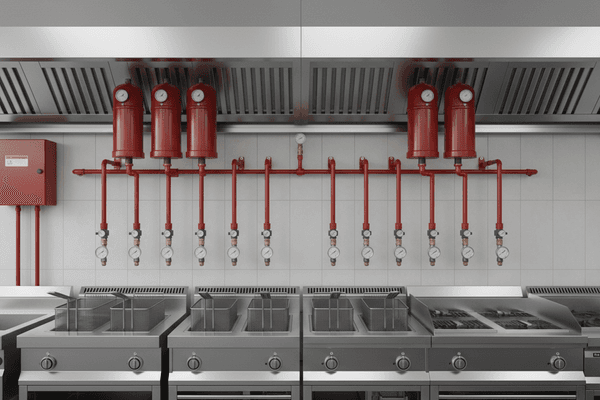
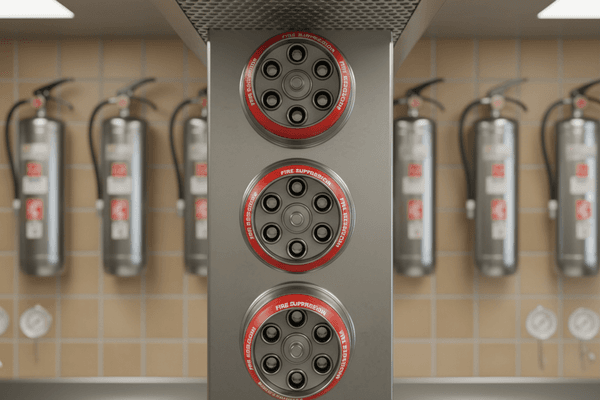
UL 300 is a fire safety standard developed by Underwriters Laboratories specifically for commercial cooking operations. It focuses on fire suppression systems designed to handle the unique risks posed by cooking appliances, especially those using grease and oils. The standard requires upgraded fire suppression systems that can quickly detect and extinguish fires in kitchen hoods, ducts, and appliances.
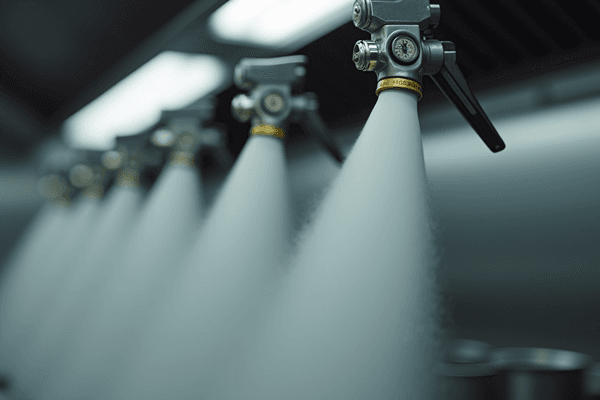
Why does this matter? Older fire suppression systems often fail to control modern kitchen fires effectively. UL 300 systems use advanced wet chemical agents that cool the fire and create a barrier to prevent re-ignition. This means your kitchen is safer, and your insurance requirements are more likely to be met.
Key points about UL 300 compliance:
- Applies to commercial cooking equipment and exhaust systems.
- Requires fire suppression systems to be tested and certified to UL 300 standards.
- Includes automatic detection and suppression capabilities.
- Mandates regular inspection and maintenance to ensure ongoing compliance.
How to Achieve UL 300 Kitchen Compliance
Meeting UL 300 kitchen compliance involves several steps, but don’t worry - it’s manageable with the right approach. Here’s what you need to do:
- Assess Your Current Fire Suppression System
Start by evaluating your existing fire suppression setup. If your system was installed before the UL 300 standard was introduced (around 1994), it likely needs an upgrade. A professional inspection will identify gaps and risks. - Upgrade to a UL 300 Certified System
If your system is outdated, replace it with a UL 300 certified fire suppression system. These systems use wet chemical agents designed to suppress grease fires effectively. Make sure the system covers all cooking appliances, hoods, and ducts. - Schedule Regular Inspections and Maintenance
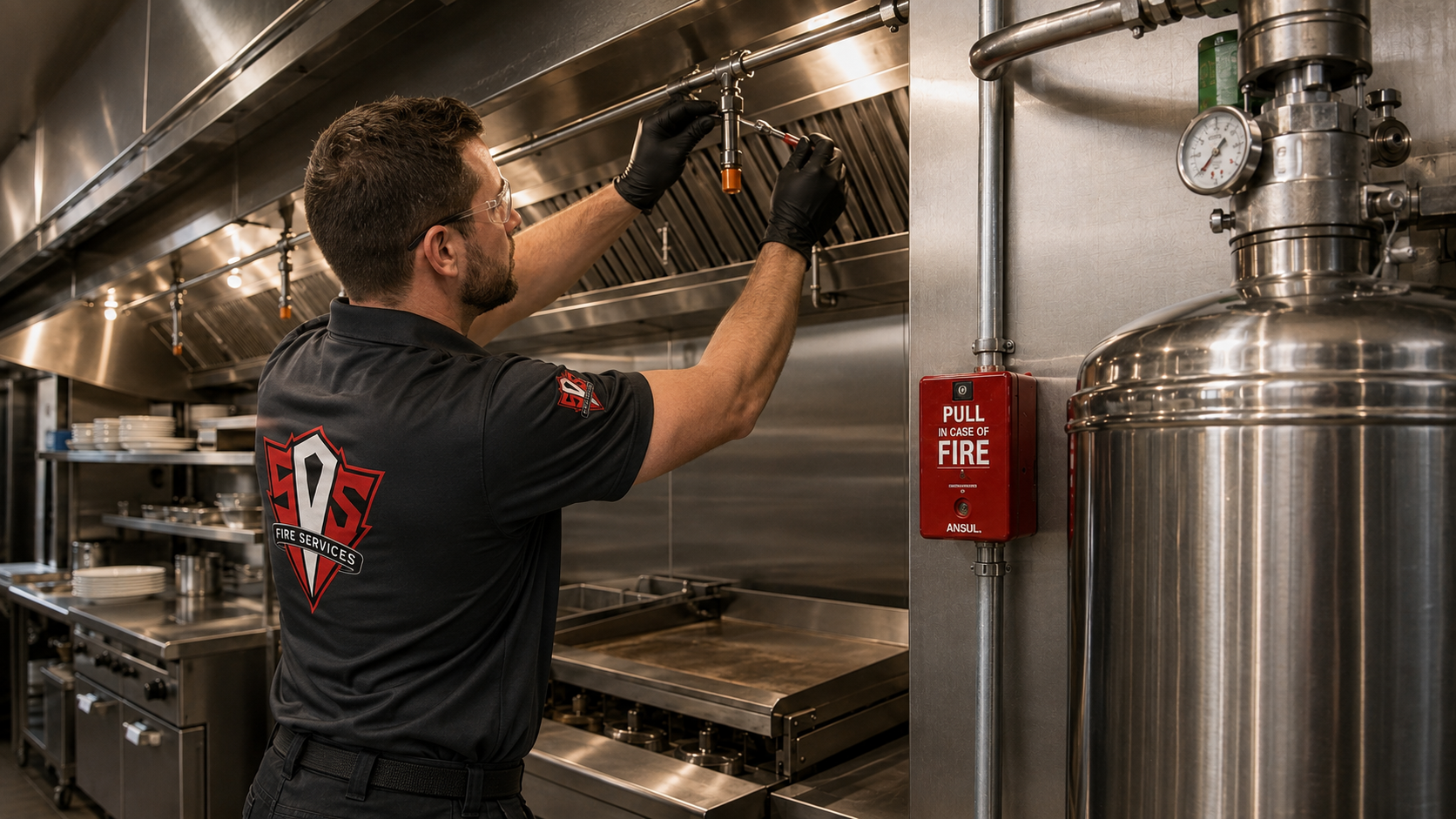
UL 300 compliance isn’t a one-time task. You must maintain your system with regular inspections, testing, and servicing. This keeps the system ready to respond in an emergency and ensures compliance with local fire codes. - Train Your Staff
Your team should know how the fire suppression system works and what to do if it activates. Regular training sessions can save lives and minimize damage. - Keep Documentation Updated
Maintain records of inspections, maintenance, and any system upgrades. This documentation is crucial during fire safety audits and insurance reviews.
If you want expert help, consider partnering with professionals who offer ul 300 compliance services. They can guide you through the process, from assessment to installation and ongoing maintenance.
Can a Plumber Install a Fire Suppression System?
You might wonder if a plumber can handle the installation of a fire suppression system. The short answer is: usually not. Fire suppression systems, especially those meeting UL 300 standards, require specialized knowledge and certification.
Here’s why:
- Specialized Equipment and Chemicals
UL 300 systems use specific wet chemical agents and components that require expert handling.
- Compliance with Fire Codes
Installation must meet strict fire safety codes and standards. Certified fire protection technicians understand these requirements.
- Integration with Kitchen Appliances and Hood Systems
Proper installation involves connecting the suppression system to exhaust hoods, ducts, and cooking appliances. This requires detailed knowledge of kitchen layouts and fire safety engineering.
- Inspection and Testing
After installation, the system must be tested and inspected by qualified personnel to ensure it functions correctly.
While plumbers are skilled in water and gas systems, fire suppression installation is a specialized trade. Always hire certified fire protection professionals to install or upgrade your UL 300 system. This ensures your kitchen is safe and compliant.
Why UL 300 Compliance Matters for Your Business
You might think, "Is UL 300 compliance really that important?" The answer is a resounding yes. Here’s why:
- Protect Your Property and Assets
Kitchen fires can cause extensive damage. UL 300 systems reduce fire spread and damage, saving you thousands in repairs.
- Ensure Employee and Customer Safety
A fire in a commercial kitchen is dangerous. Proper suppression systems protect lives by quickly controlling fires.
- Meet Insurance and Legal Requirements
Many insurance policies require UL 300 compliance for coverage. Non-compliance can lead to denied claims or higher premiums.
- Avoid Fines and Penalties
Fire departments and regulatory agencies enforce UL 300 standards. Failure to comply can result in fines or forced shutdowns.
- Maintain Business Continuity
A fire can disrupt your operations for weeks or months. UL 300 systems help minimize downtime by controlling fires early.
In short, UL 300 compliance is an investment in your business’s safety, reputation, and financial health.
Practical Tips to Maintain UL 300 Compliance
Once your kitchen is UL 300 compliant, keeping it that way is crucial. Here are some practical tips:
- Schedule Annual Inspections
Fire suppression systems require yearly inspections by certified technicians. Don’t skip these.
- Clean Kitchen Hoods and Ducts Regularly
Grease buildup is a major fire hazard. Regular cleaning reduces fire risk and keeps your system effective.
- Test Manual Pull Stations and Alarms
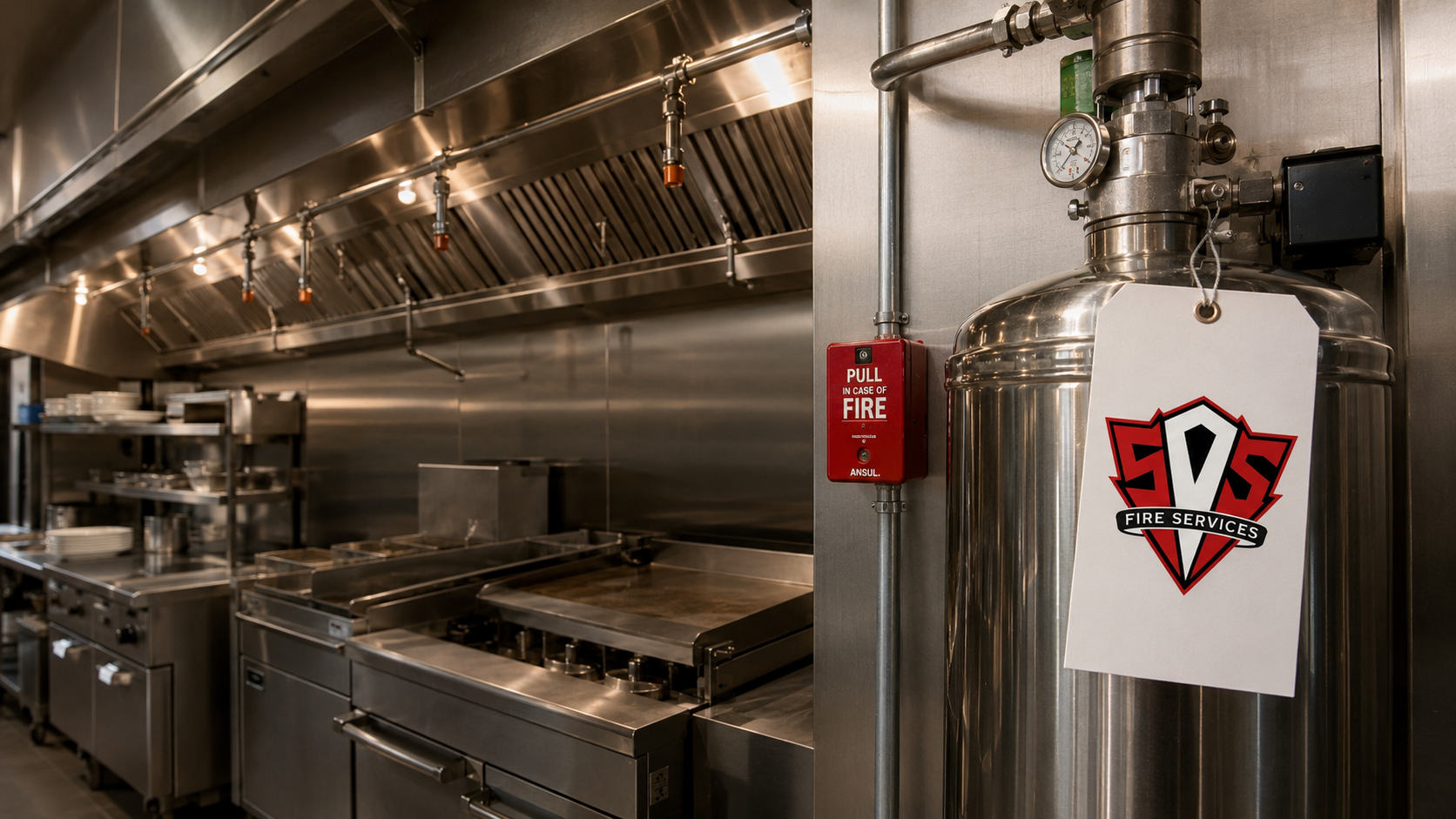
Ensure all manual activation points and alarms are functional.
- Replace Expired Components
Fire suppression systems have parts that expire or degrade. Replace nozzles, cylinders, and chemicals as recommended.
- Document Everything
Keep detailed records of inspections, maintenance, and repairs. This helps during audits and insurance reviews.
- Train New Employees
Fire safety training should be part of your onboarding process.
By following these steps, you’ll keep your kitchen safe and compliant year-round.
Taking the Next Step Toward Fire Safety
Ensuring UL 300 kitchen compliance is not just about meeting regulations - it’s about protecting your business and everyone inside it. If you haven’t updated your fire suppression system or are unsure about your current setup, now is the time to act.
Remember, professional help is available. Trusted experts offering ul 300 compliance services can assess your needs, install the right system, and keep it maintained. Don’t wait for a fire to remind you of the importance of compliance.
Stay proactive, stay safe, and keep your kitchen running smoothly with UL 300 compliance. Your peace of mind is worth it.
Topics
- UL 300 Compliance
- UL-300 Fire Standards