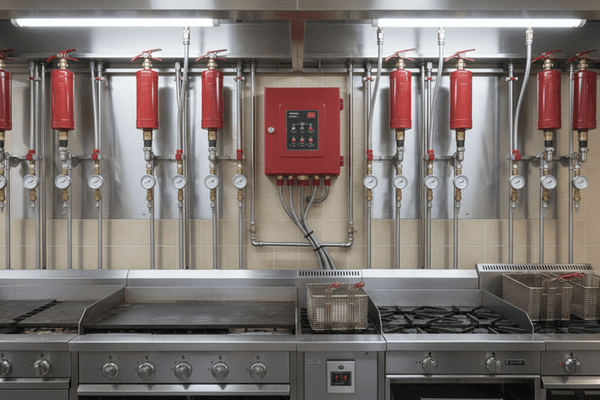
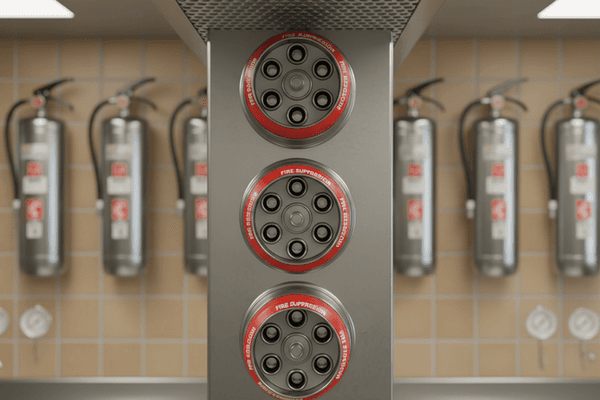
When it comes to protecting your commercial kitchen, understanding fire safety standards is crucial. Commercial cooking environments operate under intense heat, with heavy appliances, open flames, and high volumes of cooking oils. In these environments, standard fire protection is not enough your kitchen fire suppression system must meet modern safety codes.
UL 300 compliance plays a vital role in ensuring your fire suppression systems meet the latest safety requirements. If you manage a restaurant, commercial facility, or food service operation, you need to know what UL 300 compliance services involve, what risks you face without it, and how to keep your business fully protected.
What Is UL 300 and Why Does It Matter for Kitchen Fire Compliance?
UL 300 is a stringent fire safety standard established by Underwriters Laboratories (UL) specifically for commercial cooking equipment. Introduced to address changes in modern commercial kitchens, it replaced older dry chemical fire suppression standards.
In the past, kitchens primarily used animal fats for frying, which burned at lower temperatures and could be extinguished using dry chemical agents. Today, commercial kitchens almost universally use vegetable oils. While healthier for cooking, vegetable oils burn at significantly higher temperatures and retain heat much longer.
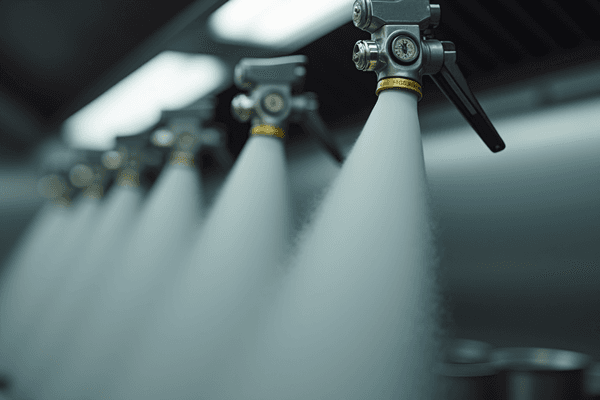
Older dry chemical systems cannot reliably extinguish hot oil fires—the dry powder floats off the oil surface, allowing the fire to quickly flash back and reignite. UL 300 mandates wet chemical fire suppression systems. These liquid chemical agents work through a process called saponification:
- Smothering the flames: The liquid agent reacts with hot grease to form a thick, soapy foam blanket across the surface.
- Cooling the cooking media: It rapidly absorbs heat, dropping the oil below its auto-ignition temperature to permanently prevent reignition.
- Securing appliance and duct pathways: Specialized discharge nozzles cover the entire cooking line, grease filters, plenum, and exhaust ducts.
Meeting UL 300 standards is not optional—it is required by NFPA 96 (Standard for Ventilation Control and Fire Protection of Commercial Cooking Operations), NFPA 17A (Standard for Wet Chemical Extinguishing Systems), and California Fire Codes.

What Happens If Your Kitchen Is Not UL 300 Compliant?
Operating a commercial kitchen with an outdated or non-compliant fire suppression system exposes your business to severe operational, legal, and financial liabilities:
- Failed Inspections and Immediate Red Tags: Local Fire Marshals (such as LAFD) regularly inspect commercial kitchens. If your system is non-compliant, inspectors will issue a violation notice or a "Red Tag," which can force your kitchen to shut down immediately until the system is upgraded.
- Denied Insurance Claims: Major insurance carriers require UL 300 compliant wet chemical suppression systems. In the event of a fire, an insurance company can deny your property and liability claims entirely if your system does not meet UL 300 standards, leaving you responsible for hundreds of thousands of dollars in damages.
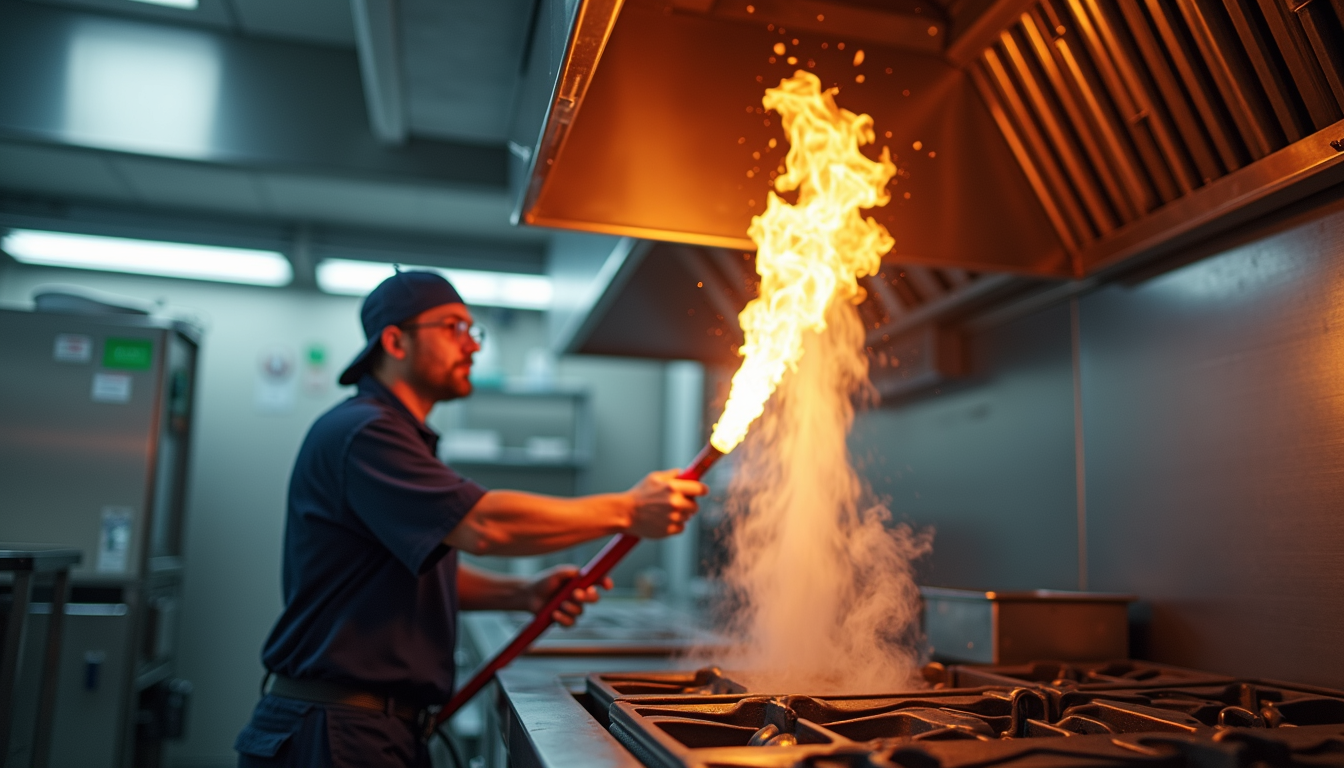
- Catastrophic Fire Risk: Non-compliant systems simply cannot suppress modern high-temp grease fires. A flare-up on an open fryer or griddle can escalate into a full-scale structure fire in minutes, endangering kitchen staff and customers.
- Legal and Regulatory Fines: Repeated code violations result in escalating municipal fines, license suspensions, and potential civil liability if personnel or patrons are injured.
Steps to Achieve and Maintain UL 300 Compliance
Upgrading and maintaining your kitchen’s fire suppression system is a structured process that ensures total safety and code compliance. Here are the core steps to achieve and keep your compliance status:
1. Perform a Professional Kitchen System Audit
A certified fire safety technician evaluates your existing cooking line, hood configuration, fuel shutoff valves, and suppression hardware to determine whether your current setup meets UL 300 standards or requires a retrofit.
2. Complete a System Retrofit or UL 300 Upgrade
If your kitchen still uses older dry chemical equipment or has changed appliance layouts without updating nozzle placement, you need a certified UL 300 upgrade. This involves:
- Installing dedicated wet chemical storage cylinders.
- Re-piping and aligning discharge nozzles directly over each specific heat source (fryers, ranges, charbroilers, and woks).
- Installing automatic mechanical and electrical gas shut-off valves that cut fuel supplies instantly upon system activation.
3. Install Dedicated Class K Portable Extinguishers
UL 300 kitchen hood systems work hand-in-hand with portable fire extinguishers. California fire code mandates that at least one Class K wet chemical extinguisher be mounted within 30 feet of the cooking line as a secondary manual defense against grease fires.
4. Schedule Semi-Annual Inspections & Certifications
Per NFPA 96 and California Fire Code, kitchen suppression systems must be professionally inspected and tested every six months. During this semi-annual service, technicians test the manual pull stations, replace heat-sensitive fusible links, verify cylinder pressure, test gas shutoffs, and issue official compliance tags for the Fire Marshal.
5. Train Kitchen Staff on Emergency Procedures
A compliant system requires an informed team. Ensure all kitchen staff understand how the automatic suppression works, where manual pull stations are located, how automatic gas shutoffs operate, and how to properly use Class K extinguishers.
How to Choose the Right Provider
Achieving full compliance requires partnering with a certified, experienced fire protection specialist. When choosing a service provider for your commercial kitchen, look for the following qualifications:
- State Licensing & Certifications: Verify that the company holds a valid Contractors State License Board (CSLB) license and California State Fire Marshal (Title 19) certifications.
- Manufacturer Authorization: Choose technicians trained and certified to service major pre-engineered suppression brands (such as Ansul R-102, Pyro-Chem, Amerex, Buckeye, and CaptiveAire).
- Rapid Emergency Response: Fire suppression emergencies—such as accidental discharges or gas shutoff trips—can halt your entire service. Work with a provider offering prompt response to minimize operational downtime.
- Transparent Documentation: Ensure your provider files required compliance reports with local authorities and provides clear inspection certificates and maintenance logs for your insurance records.
Protect Your Kitchen and Stay Compliant
Maintaining UL 300 compliance is an ongoing commitment to the safety of your staff, customers, and business investment. By retrofitting outdated equipment, adhering to semi-annual maintenance schedules, and working with certified specialists, you can ensure your kitchen operates safely, stays fully insured, and passes every fire inspection with confidence.
Topics
- Commercial Kitchen Safety
- Fire Safety Compliance
- Fire Suppression Systems
- UL 300 Compliance
- Kitchen Fire Safety