When it comes to protecting your commercial kitchen, a reliable fire suppression system is your first line of defense. But installing the system is just the beginning. Regular maintenance keeps it ready to act when you need it most. You want peace of mind knowing your kitchen is safe, compliant, and prepared for any emergency. Let’s dive into what kitchen fire suppression system maintenance involves and why it’s crucial for your property.
Why Kitchen Suppression Inspection Matters
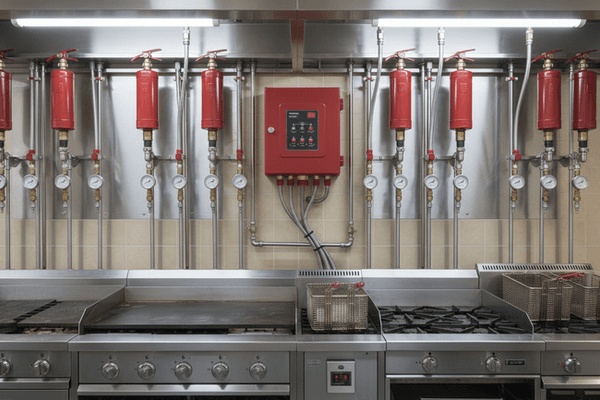
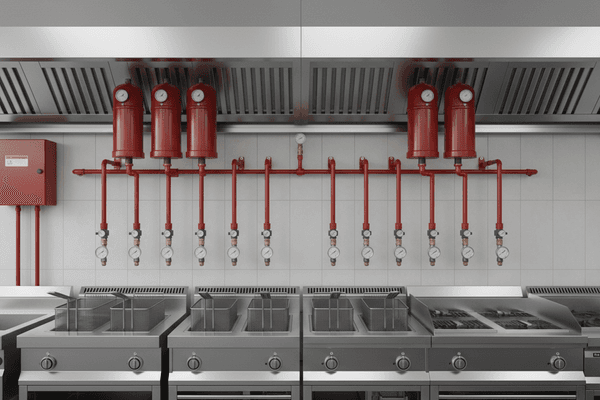
Your kitchen fire suppression system is a complex setup designed to detect and extinguish fires quickly. It includes nozzles, detection devices, control panels, and chemical agents. Over time, grease buildup, wear and tear, or accidental damage can reduce its effectiveness. That’s why a thorough kitchen suppression inspection is vital.
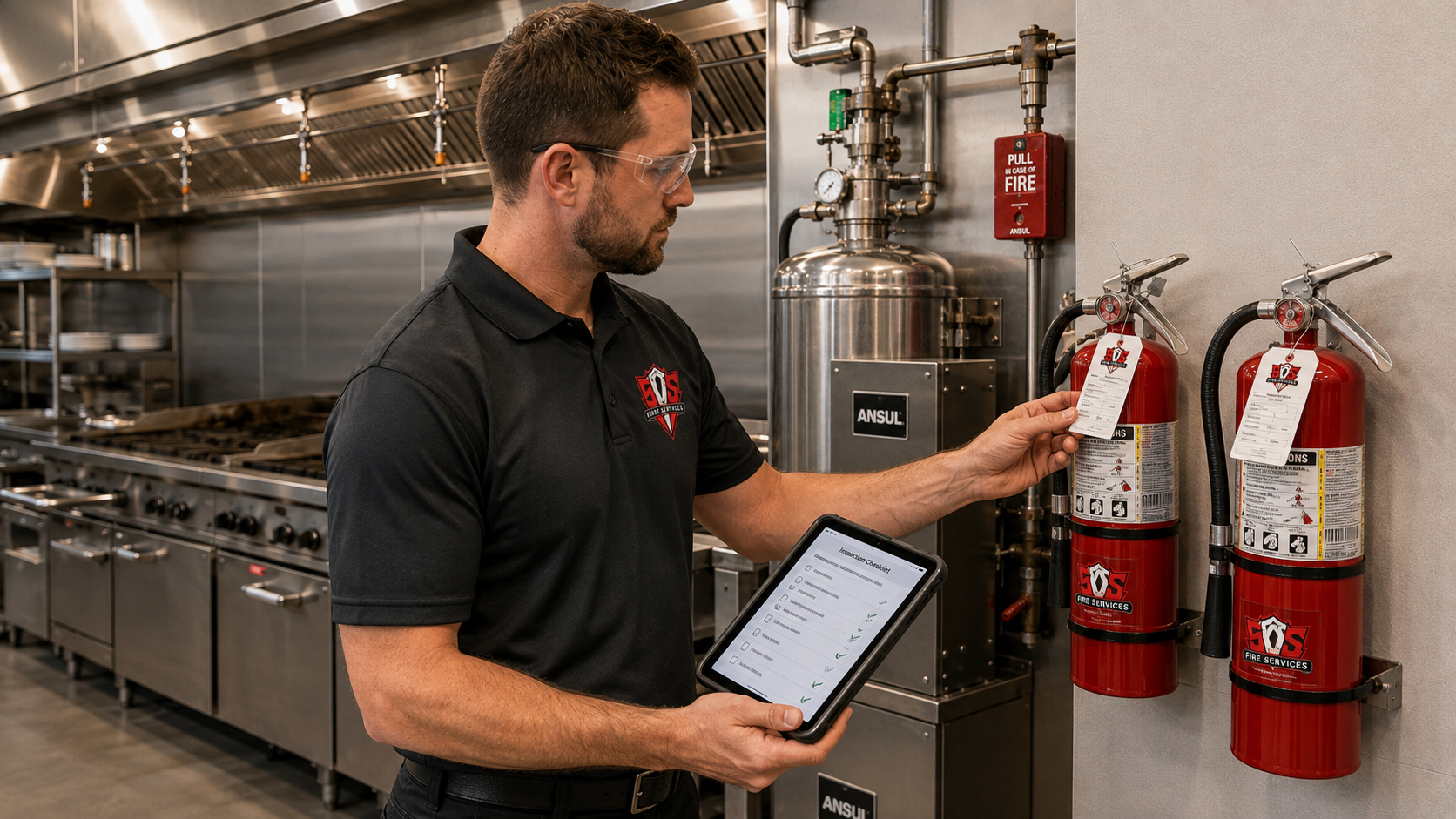
During an inspection, technicians check every component to ensure it functions perfectly. They look for clogged nozzles, damaged pipes, and expired chemicals. They also verify that the system complies with local fire codes and manufacturer guidelines. Skipping this step can lead to system failure during a fire, putting your property and people at risk.
Regular inspections also help you avoid costly fines and insurance issues. Fire departments and insurance companies often require proof of maintenance. Staying on top of inspections shows you take safety seriously and protects your investment.
What Does Kitchen Suppression Inspection Include?
A professional kitchen suppression inspection covers several key areas:
- Visual Inspection: Checking for physical damage, corrosion, or grease buildup on pipes, nozzles, and tanks.
- System Testing: Verifying that detection devices and alarms activate correctly.
- Agent Level Check: Ensuring the fire suppressant chemical is at the proper level and not expired.
- Hood and Duct Cleaning Verification: Confirming that grease filters and ducts are clean to prevent fire hazards.
- Control Panel Review: Testing manual pull stations and control mechanisms.
- Documentation: Updating maintenance logs and certification tags.
For the full checklist we follow on every visit, see our semi-annual kitchen hood suppression inspection.
Technicians use specialized tools to test pressure gauges and release mechanisms. They also inspect the system’s coverage area to confirm it matches the kitchen layout. If any issues arise, they recommend repairs or replacements immediately.
By understanding what’s involved, you can better prepare your kitchen for inspection day. Clear access to the system and a clean environment help speed up the process and reduce downtime.
How often should kitchen fire suppression systems be inspected?
The frequency of inspections depends on local regulations and the kitchen’s usage intensity. However, the general rule is:
- Semi-Annual Inspections: Most commercial kitchens require inspections twice a year. This schedule helps catch problems early and maintain compliance.
- Monthly Visual Checks: You or your staff should perform quick visual checks monthly. Look for obvious damage or leaks and report concerns promptly.
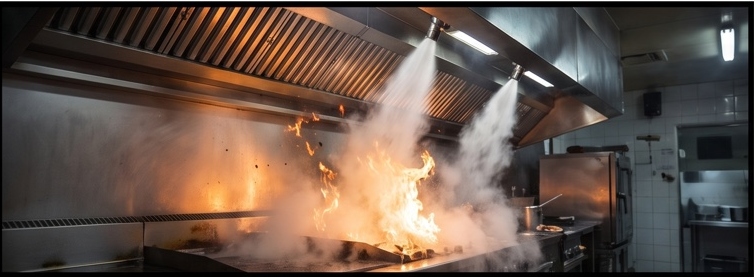
- After Any System Activation: If the system discharges, it must be inspected and serviced immediately before being put back into operation.
Some jurisdictions may have stricter requirements, so always check local fire codes. Scheduling inspections with a certified professional ensures your system meets all legal and safety standards.
Tips for Maintaining Your Kitchen Fire Suppression System
You can take simple steps to keep your system in top shape between professional inspections:
- Keep the Kitchen Clean: Regularly clean hoods, ducts, and filters to reduce grease buildup. Grease is a major fire hazard and can impair system function.
- Avoid Obstructing Nozzles: Make sure cooking equipment or storage doesn’t block the spray pattern of suppression nozzles.
- Train Your Staff: Educate your team on how the system works and what to do if it activates. Quick, calm responses save lives.
- Schedule Regular Professional Inspections: Don’t wait for a problem to arise. Set up recurring inspections with a trusted fire protection service.
- Document Everything: Keep detailed records of inspections, maintenance, and any repairs. This documentation is crucial for compliance and insurance.
By staying proactive, you reduce the risk of fire damage and ensure your kitchen operates safely every day.
Choosing the Right Fire Protection Partner in Los Angeles
Finding a reliable fire protection service in Los Angeles is key to maintaining your kitchen suppression system. Look for companies that offer comprehensive services including installation, inspection, and repair. They should be familiar with local fire codes and provide timely, professional support.
A good partner will:
- Provide clear, upfront pricing and service plans.
- Use certified technicians with experience in commercial kitchen systems.
- Offer emergency repair services to minimize downtime.
- Help you stay compliant with all safety regulations.
Remember, your kitchen fire suppression system is an investment in safety and peace of mind. Don’t settle for less when it comes to protecting your property and people.
Ready to keep your kitchen fire suppression system in perfect working order? Schedule your next kitchen fire suppression system inspection today and stay ahead of fire risks. Your kitchen deserves the best protection available.