Fire protection codes, including NFPA 10 standards, categorize fires by their fuel source. Using the wrong extinguishing agent can fail to extinguish the flame or cause dangerous chemical reactions, toxic fumes, or electrical shock.
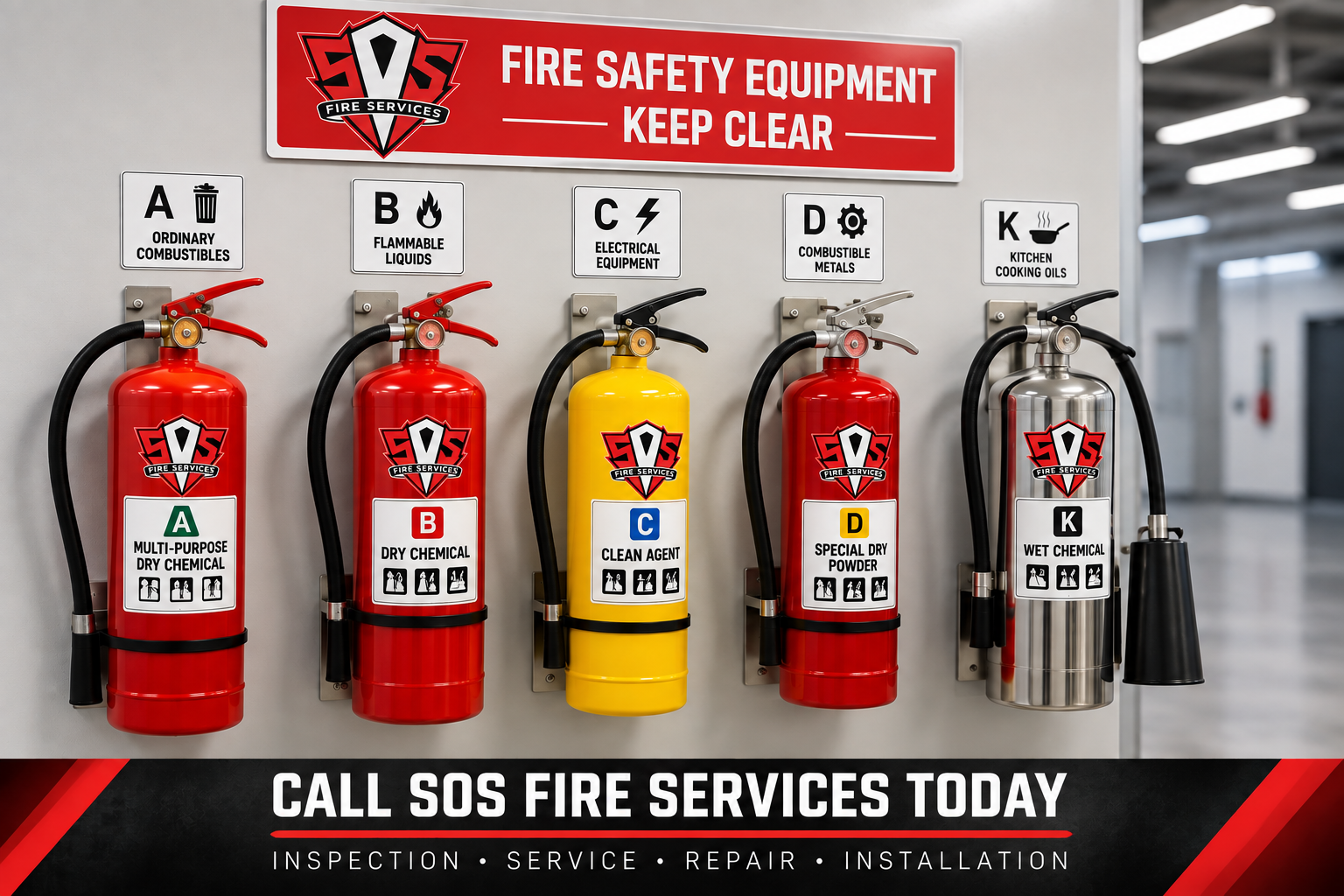
Why Isn't There an All-in-One "ABCDK" Extinguisher?
The demand for a single extinguisher that tackles every hazard is understandable. However, fire suppression physics and chemistry make an "ABCDK" unit impossible:
- Chemical Incompatibility: The standard multi-purpose ABC dry chemical uses monoammonium phosphate. When discharged onto deep commercial fryers (Class K), it disrupts the saponification process (the creation of a soapy, cooling foam blanket). This can cause grease to splash or re-ignite.
- Thermal Extremes in Metal Fires: Class D combustible metals burn at temperatures exceeding 2,000°F (1,100°C). They react violently with moisture, carbon dioxide, and many conventional dry chemicals. Class D powders must gently smother the metal to cut off oxygen without dispersing burning metal shavings.
- Electrical Conductivity Hazards: Wet chemical solutions used in Class K units contain conductive liquids. Discharging them near energized electrical gear (Class C) presents a severe electrocution risk unless the power source is cut off first.
Which Fire Extinguishers Does Your Building Actually Need?
Rather than searching for an elusive ABCDK unit, select the appropriate configuration for your specific space:
1. General Commercial, Office, & Warehouse Spaces: Class ABC
For standard commercial environments, a Multi-Purpose ABC Dry Chemical extinguisher (typically 5 lb. or 10 lb.) is the standard code requirement. It covers common combustible trash, combustible packaging, fuel spills, and energized office electrical devices.
2. Commercial Kitchens & Food Service: Class K + Class ABC
Commercial cooking environments require a two-tiered system:
- Automatic Fire Suppression System: Installed inside the commercial exhaust hood directly over fryers and ranges.
- K Extinguisher A wet chemical extinguisher mounted within 30 feet of cooking equipment to handle backup suppression after the hood system activates.
- Class ABC Extinguisher: Positioned near exits or dining areas for ordinary paper, wood, and general building hazards.
3. Industrial Facilities & CNC Machine Shops: Class D + Class ABC
Facilities machining or handling combustible metals require dedicated Class D Dry Powder extinguishers clearly labeled for the specific metal hazard present (e.g., magnesium dust, titanium shavings). These should be placed alongside standard ABC units for general building safety.
NFPA 10 Compliance and Maintenance Essentials
Purchasing the correct extinguisher type is only the first step. Local fire codes and NFPA 10 mandate regular upkeep to ensure equipment works during an emergency:
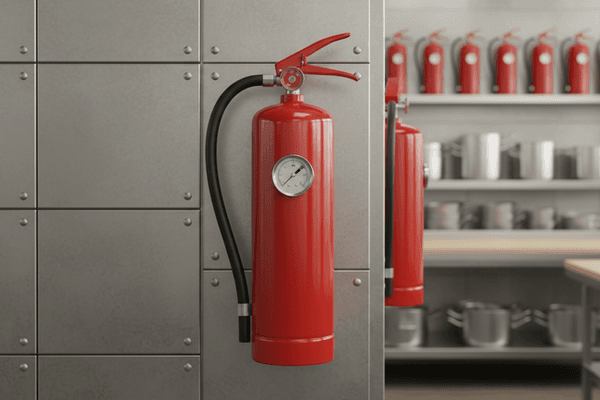
- Monthly Visual Inspections: Check that pressure gauges rest in the green operable zone. Ensure safety seals and pull-pins remain intact, and access paths are unobstructed.
- Annual Certified Inspections: A licensed fire protection technician must inspect each unit, verify weight, replace maintenance collars, and apply an updated certification tag.
- Internal Maintenance & Hydrostatic Testing: Stored-pressure extinguishers require scheduled 6-year tear-down inspections and 5- or 12-year hydrostatic cylinder pressure tests depending on the model.
Frequently Asked Questions
Can I buy a fire extinguisher labeled ABCDK?
No legitimate manufacturer sells an "ABCDK" fire extinguisher. No testing agency (such as UL or FM Global) certifies an extinguisher across all five distinct classes simultaneously. Look instead for certified Class ABC units, complemented by dedicated Class K or Class D extinguishers where hazards dictate.
Will a regular ABC extinguisher put out a kitchen grease fire?
Standard ABC extinguishers should not be used on commercial deep-fat fryers. The high-pressure discharge can splatter boiling grease, spreading the fire and causing burns. Commercial cooking fats require a Class K wet chemical unit that creates a cooling foam blanket over the oil.
Where should portable extinguishers be mounted?
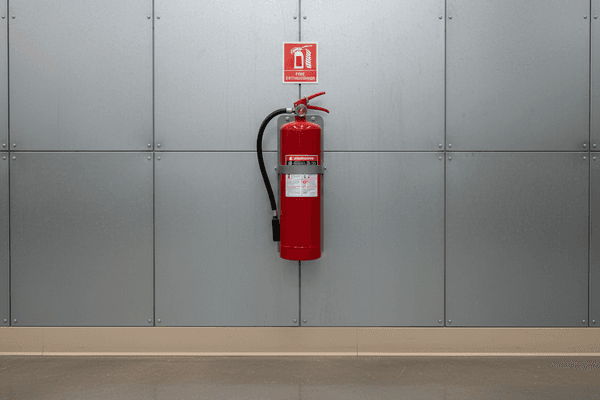
Extinguishers weighing up to 40 pounds must be mounted so the top of the canister is no higher than 5 feet above the floor. They must remain clearly visible, equipped with operating signs, and clear of storage boxes or furniture.
Keep Your Facility Protected and Code-Compliant
Choosing the right equipment depends on your facility layout, chemical fuel loads, and municipal fire regulations.
SOS Fire Services provides comprehensive fire safety management across commercial facilities, including:
- Code-compliant extinguisher sales and installation (Class ABC, Class K, and specialty units)
- Annual certification, tagging, and NFPA 10 inspections
- Commercial kitchen hood suppression system installations and testing
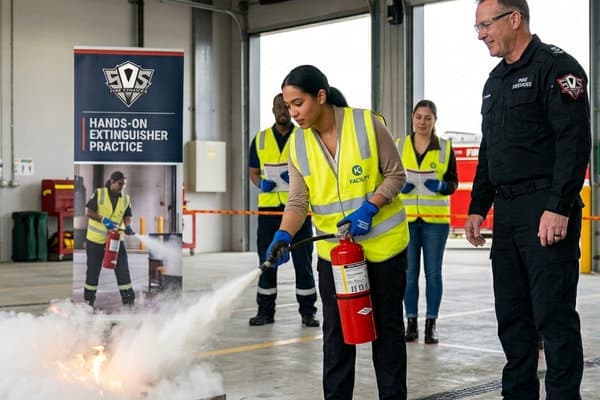
- On-site staff training and emergency equipment placement
Need an inspection or looking to equip your building with the right fire extinguishers?
Contact SOS Fire Services today to schedule a site evaluation and ensure your business meets all local and national fire safety codes. 1-877-256-0161.