When it comes to fire safety in commercial kitchens and facilities, UL 300 fire compliance is a critical standard you cannot overlook. It’s designed to protect your property, staff, and customers from the devastating effects of kitchen fires. But what exactly does UL 300 compliance mean? How do you ensure your fire suppression systems meet these requirements? And why is it so important for your business?
Let’s break it down in simple terms. You’ll get clear answers, practical tips, and actionable steps to keep your facility safe and fully compliant with UL 300 standards.
What Is UL 300 Fire Compliance?
UL 300 is a fire safety standard developed by Underwriters Laboratories (UL) specifically for commercial kitchen fire suppression systems. It was introduced to address the shortcomings of older systems that were not effective against modern cooking oils and equipment.
Here’s the deal: UL 300 fire compliance means your fire suppression system has been tested and certified to extinguish fires involving high-temperature cooking oils and grease. These fires behave differently than ordinary fires, so the suppression system must be specially designed to handle them.
Key points about UL 300 fire compliance:
- It applies to commercial kitchen hood fire suppression systems.
- It requires the use of wet chemical agents instead of older dry chemical or foam systems.
- The system must automatically detect and suppress fires quickly.
- It includes requirements for system design, installation, and maintenance.
If your kitchen uses deep fryers, griddles, or other high-heat cooking appliances, UL 300 compliance is not optional. It’s a safety necessity.
Why UL 300 Fire Compliance Matters for Your Facility
You might wonder, “Why should I care about UL 300 compliance if I already have a fire suppression system?” Good question. Here’s why:
- Enhanced Safety: UL 300 systems are proven to extinguish grease fires faster and more effectively. This reduces the risk of fire spreading and causing severe damage or injury.
- Regulatory Requirements: Many local fire codes and insurance policies require UL 300 compliance for commercial kitchens. Non-compliance can lead to fines, penalties, or even forced closure.
- Insurance Benefits: Insurance companies often offer better rates or coverage when your facility meets UL 300 standards. It shows you’re proactive about fire safety.
- Protect Your Investment: Fire damage can be catastrophic. UL 300 systems help minimize damage, downtime, and costly repairs.
- Peace of Mind: Knowing your fire suppression system meets the latest standards lets you focus on running your business without worry.
If you’re unsure whether your current system meets UL 300 standards, it’s time to get a professional assessment. Many companies offer ul 300 compliance services to help you upgrade or maintain your fire suppression systems.
Do I Need a Fire Suppression System in My Restaurant?
If you operate a restaurant or commercial kitchen, the answer is a resounding yes. Fire suppression systems are not just a regulatory checkbox, they are a vital part of your safety infrastructure.
Here’s why you need one:
- High Risk of Grease Fires: Cooking oils and grease are highly flammable. A small spark can ignite a dangerous fire quickly.
- Fast Fire Spread: Fires in kitchens can spread rapidly through ventilation hoods and ducts.
- Legal Requirements: Most jurisdictions mandate fire suppression systems in commercial kitchens.
- Protect Employees and Customers: A fire suppression system can save lives by controlling fires before they escalate.
- Minimize Property Damage: Early fire suppression limits damage to your kitchen and building.
If you’re installing a new kitchen or upgrading an existing one, make sure your fire suppression system is UL 300 compliant. It’s the best way to meet safety standards and protect your business.
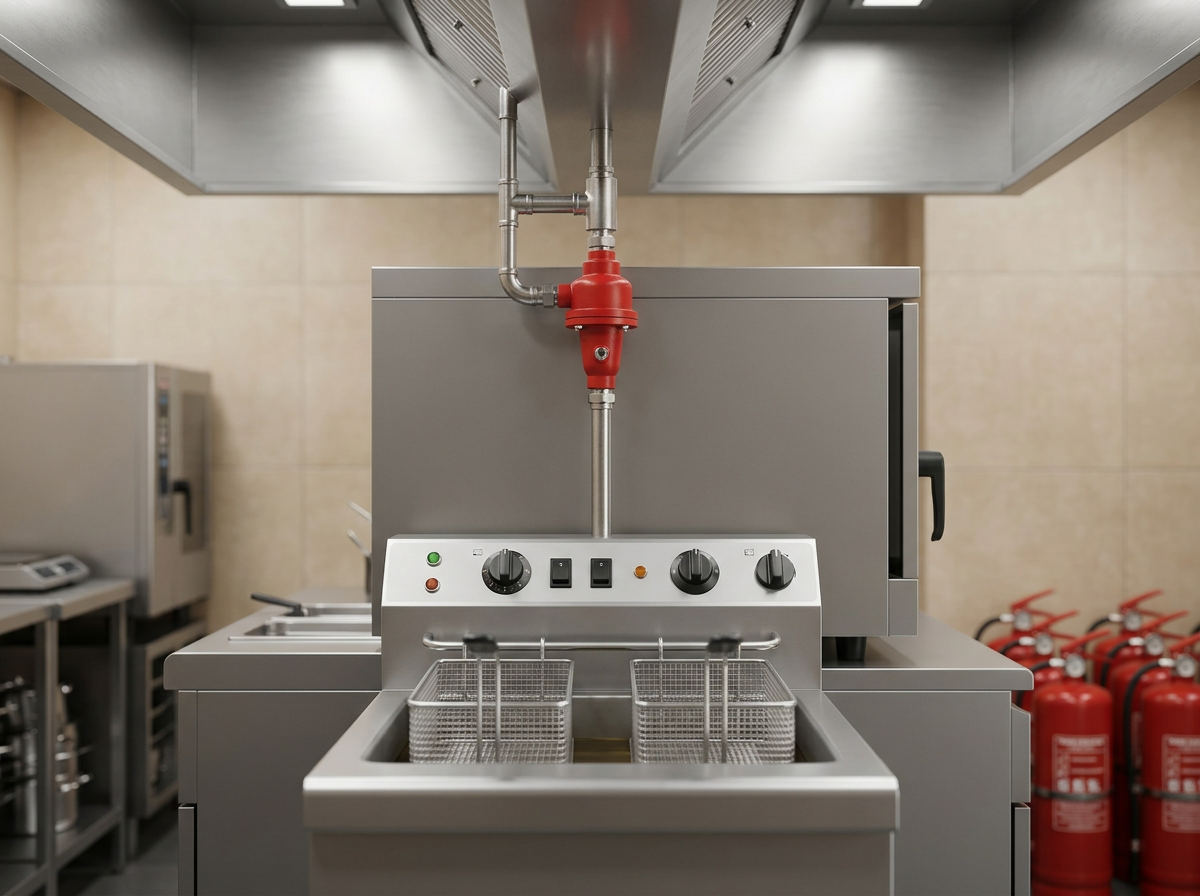
How to Ensure Your Facility Meets UL 300 Compliance
Meeting UL 300 compliance involves several steps, from installation to ongoing maintenance. Here’s what you need to do:
1. Choose the Right Fire Suppression System
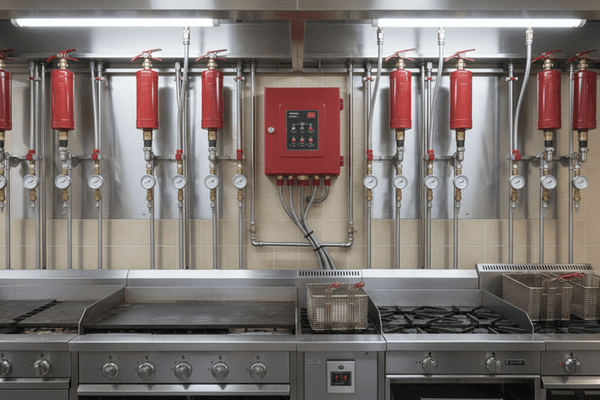
Not all systems are created equal. UL 300 requires wet chemical systems designed specifically for kitchen fires. These systems use a special agent that cools the fire and creates a barrier to prevent re-ignition.
2. Professional Installation
Installation must follow UL 300 guidelines and local fire codes. This includes proper placement of nozzles, detectors, and control panels. A certified technician should handle this to ensure everything is up to code.
3. Regular Inspection and Maintenance
UL 300 compliance is not a one-time event. Your system needs regular inspections, testing, and maintenance to stay effective. This includes checking the agent levels, mechanical parts, and control systems.
4. Staff Training
Your team should know how the system works and what to do in case of a fire. Regular fire drills and training sessions are essential.
5. Documentation and Record-Keeping
Keep detailed records of installation, inspections, maintenance, and any repairs. This documentation is crucial for compliance verification and insurance purposes.
By following these steps, you’ll ensure your fire suppression system is always ready to protect your facility.
What Happens If You Don’t Comply with UL 300?
Ignoring UL 300 compliance can have serious consequences. Here’s what you risk:
- Increased Fire Hazard: Older systems may fail to suppress modern grease fires, leading to catastrophic damage.
- Legal Penalties: Non-compliance can result in fines, citations, or forced shutdowns by fire authorities.
- Insurance Issues: Your insurance claims may be denied if your system is not UL 300 compliant.
- Higher Costs: Fire damage, legal fees, and downtime can cost far more than upgrading your system.
- Reputation Damage: A fire incident can harm your business reputation and customer trust.
Don’t wait for a fire to expose vulnerabilities. Take proactive steps to ensure your facility meets UL 300 standards.
Taking the Next Step Toward UL 300 Compliance
Ready to get started? Here’s a quick checklist to guide you:
- Assess your current fire suppression system: Is it UL 300 compliant?
- Contact a certified fire safety professional for an inspection and consultation.
- Schedule installation or upgrades if needed.
- Set up a maintenance plan with regular inspections and servicing.
- Train your staff on fire safety procedures and system operation.
- Keep all documentation organized and accessible.
If you want expert help, consider reaching out to providers of ul 300 compliance services. They can handle everything from installation to ongoing maintenance, ensuring your facility stays safe and compliant.
Fire safety is not just about meeting regulations—it’s about protecting what matters most. With UL 300 fire compliance, you’re investing in a safer, more secure future for your business.
Stay safe, stay compliant, and keep your kitchen fire-ready!